Physical cyber attack
There’s no patch for complacency.
The most effective methods of infiltration are often the simplest. We dropped that USB drive where your staff would find it. We delivered the office lunch. That person in the coffee shop next to your team – that was us too. We test the physical entry points, insider threat scenarios, and on-site vulnerabilities that no firewall can reach.
THE PROBLEM
COMFORT IS THE MOST EXPLOITABLE STATE.
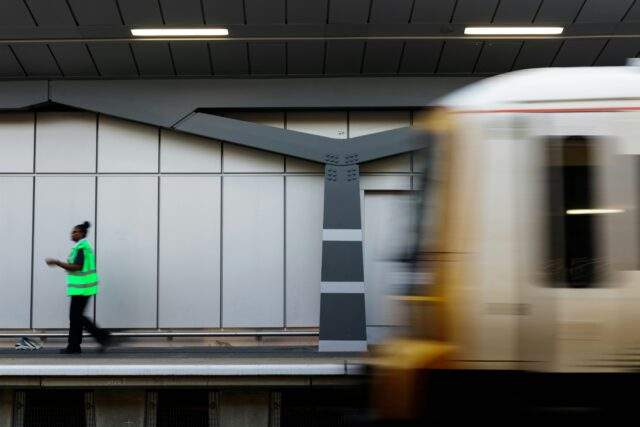
When people are in familiar surroundings, doing familiar work, their guard doesn’t just drop – it switches off entirely. The brain decides the environment is safe and stops checking. A stranger in the lobby becomes a temporary colleague. The person you’ve seen once before is already classified as known.
This isn’t a failure of awareness training. It’s how human cognition works. And it’s exactly the state that a prepared, calm attacker walks into when they enter your building. By the time something feels wrong, the USB is plugged in, the badge has been lifted, and they’re already on their way out.
What we test
Site security assessment
Assessing your physical environment from the outside in — entry points, security culture, blind spots, and the gaps between how your security looks on paper and how it performs under real pressure.
Tailgating & unauthorized access
Testing whether your physical access controls and challenge culture actually stop an unauthorised person, or whether a confident pretext and a held-open door is all it takes.
Physical device attacks
USB drops, hardware implants, and on-site device exploitation. Testing whether a device left in a meeting room, car park, or common area gets picked up, plugged in and used against you.
Insider threat simulation
What can a malicious new starter, contractor, or visitor do once they’re legitimately inside? Data hygiene, unlocked workstations, unsecured rooms, and access they were never supposed to have.
Reveal the tricks. Upskill the team.
You won’t get a consultant with a slide deck they’ve shown to a hundred other clients. After every engagement, we reveal exactly how we got in: the techniques, the pretexts, the moments where your security held and where it didn’t. Real-world threats are best understood by people who’ve just watched them play out in their own building.
Every engagement is scoped and agreed before it starts. We work within your legal, ethical, and operational boundaries, testing only what you need tested, in the way that serves your actual risk picture.
01 Reconnaissance
Building a picture of your physical environment before engagement. Entry points, security culture, staff patterns, and the pretext opportunities your site creates.
02 Pretext & APPROACH
Constructing a scenario that matches your environment — delivery, maintenance, contractor, new starter. The pretext is chosen because it fits, not because it’s generic.
03 ON-SITE EXECUTION
Attempting to access restricted areas, plant devices, observe security culture, and identify how far an attacker can get before anyone questions them – if they do at all.
04 RED TEAM HANDOFF
Physical access becomes the entry point for deeper compromise. Network access from inside the building, device implants feeding back to our team, and full-spectrum escalation where agreed.
WHAT WE FIND
The gaps no-one thought to test.
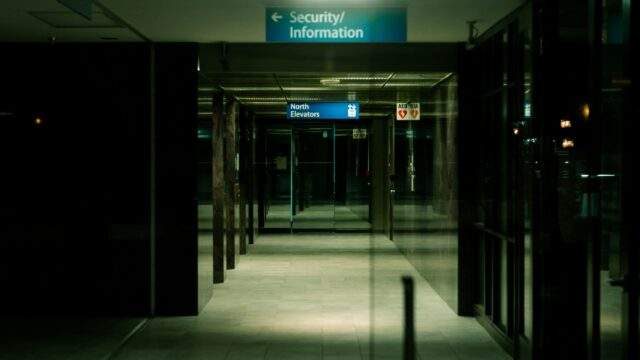
Physical security failures are rarely dramatic. They’re quiet, unremarkable moments where someone held a door, didn’t ask a question, or trusted a uniform. The findings we surface are the ones that have been there undetected, sometimes for years.
“No amount of policy writing prepares you for watching your own staff let them straight in.”
CISO (details withheld per client confidentiality)
The place where you feel most comfortable is your weakest area of attack.
THE HARDER TRUTH
When trust is the cultural default, challenge feels rude.
People don’t ask questions because they don’t want to cause a scene, especially in certain countries, where avoiding confrontation is almost reflexive.
We help organizations build an environment where questioning an unfamiliar face is expected, supported, and never career-limiting. That cultural shift protects more than any access control system.
Find out how far someone can get.
Talk to our physical security specialists about a bespoke engagement scoped around your environment, your sites, and your risk.